
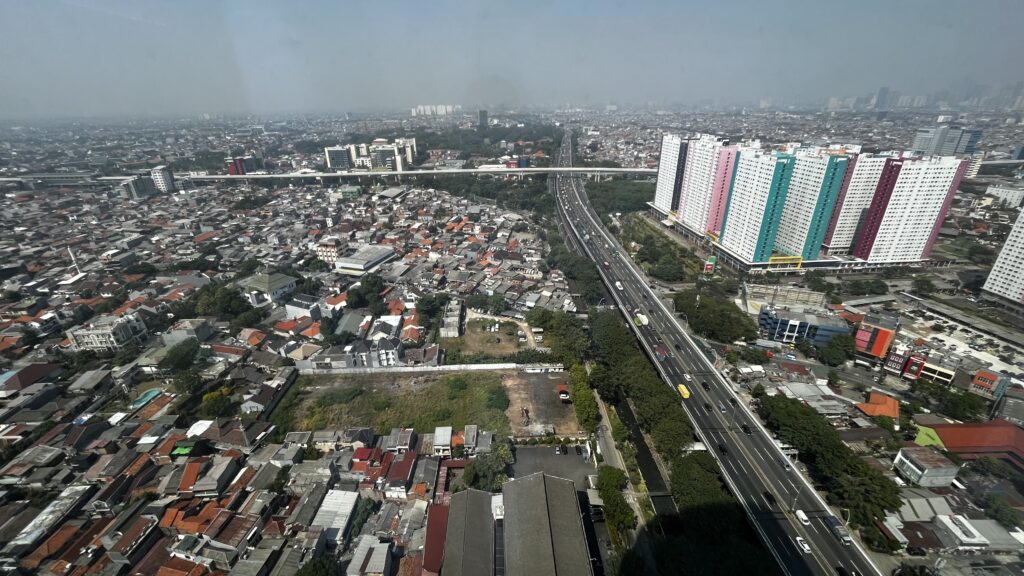
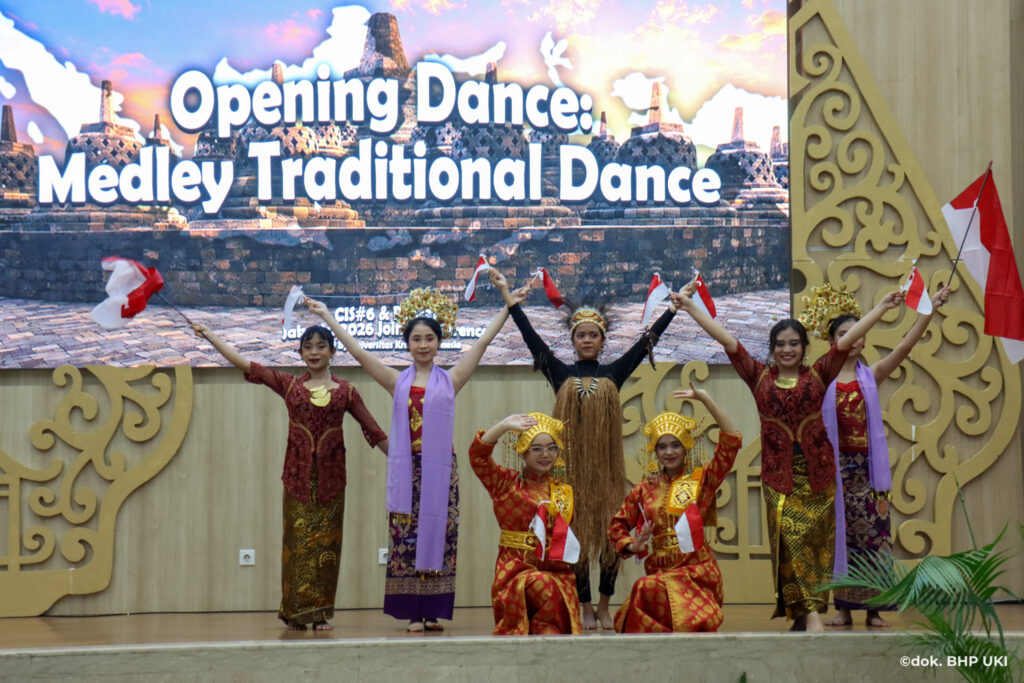
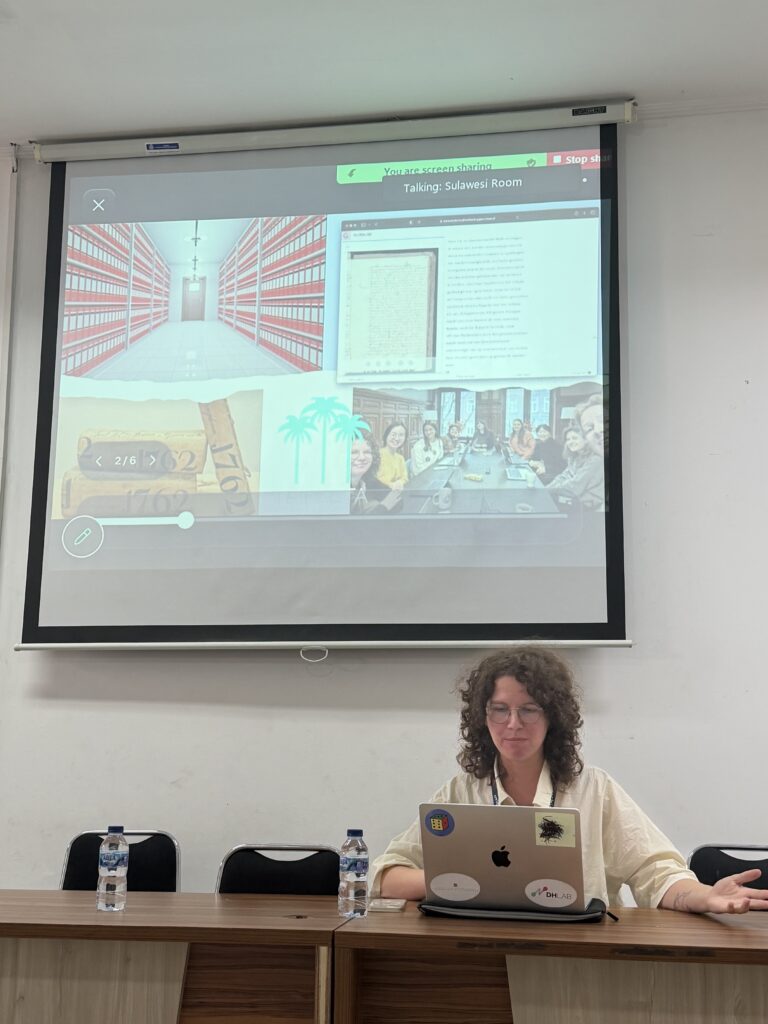
On 15 July 2026, Chris Groenveld, visiting researcher with TRIFECTA and final year PhD candidate at Goldsmiths, University of London, presented a paper titled Silence as Currency: Mapping Uncertainty in Dutch Maritime Archives. It was day one of a four-day conference held jointly by Performance Studies International and the Critical Island Studies Consortium, at Universitas Kristen Indonesia in Jakarta, on the theme Archipelagic Flows. Although TRIFECTA deals daily with a colonial archive that includes Dutch history in Indonesia, this marked the first time this work was presented in this regional context.
 A Fitting Room for the Question
The theme Archipelagic Flows challenged delegates to think in island logics rather than continental ones. As a game designer, Chris presented a deck of cards intended to hold the silences of an archive such as this, in a room organised around resisting a single centre of knowledge. This provided an opportunity to ask a question the team in Amsterdam periodically wrestles with: who decides the ontological framework, and how are these decisions made?
Old and New Games
The talk opened with a board game printed in the Netherlands in 1875. Its route ran from Nieuwediep, a port in the north of the country, to Batavia, now Jakarta, where this conference took place. In this historical game, a player rolled dice, sailed a paper ship down a track of ports, and reached the distant city. Along the bottom edge of the board were listed the voorwaarden, or conditions of play. This game promoted a positive image of the VOC, teaching a Dutch child that the sea is theirs to cross, and the colony is their prize. Games often reflect the historical moment in which they were designed. What would be an equivalent game for this moment?
The prototype Chris presented at PSi#31 consisted of thirty cards, each holding one entity drawn from the digitised VOC archive and related open-source image banks: an image on the front, a short line of context and mostly blank space on the back. Crucially, there was no defined goal, no predefined rules. Similar to the 1875 game, it presents players with an obstacle, the partial documentation of a colonial past, and leaves off there. The difference between these games is not the transparency of rules, but who gets to decide them.
The cards
The participants were asked to pick any two cards on screen and discuss what the pairing opened and what it closed off, or to pick one card and name what was absent. A silence followed before anyone spoke. Gradually, connections began to be offered. One participant picked up on the contrast in perspectives offered by two different cards: first, a map of a killing site in Batavia from between 1740-1741 and second, an oil painting of a Dutch port. They remarked on the radically different registers of silence contained within both images, each speaking obliquely about the experience of a colonised people.
Researching, Not Demonstrating
The deck is still in development. Scheduled to follow are conversations with historians and digital humanities colleagues, and prototyping sessions with heritage staff at the Rijksmuseum, Wereldmuseum, the National Library of the Netherlands, with the hope that further insight into the silences contained within the archive can be identified and productively discussed.
Future routes
The VOC archive has its own word for loss: “Leakage” names what spills from the barrel on the long crossing, and anything above ten percent must be reported and charged. The archive counts what it loses. This deck keeps score the other way round: it pays out for naming the thing that was never counted at all, the name never recorded, the crossing never logged. The silence becomes the value held. Silence as currency is what the deck asked a room in Jakarta to hold for an hour, with no board, no rulebook, and nobody at the table trying to win.